


From childhood to your golden years, your skin changes throughout your life. At Apex Skin, Rachel McKernan, MPAS, PA-C, helps families navigate these changes with expert dermatological care. Whether you’re dealing with diaper rash, teenage acne, or age spots, understanding what’s normal at each stage can help you maintain healthy skin for life.
What Does Healthy Skin Actually Look Like at Different Ages?
According to McKernan, healthy skin starts with two essential habits that apply at every age: moisturizing and wearing SPF 30 or higher sunscreen.
“There is no age where applying sunscreen or moisturizer is too young to do,” she emphasized. “As soon as a child can hold a sunscreen, getting them to start applying it themselves is a great idea.”
As we age, our skin transitions from acne-prone stages to drier phases, accumulating sun damage along the way. Because we see ourselves in the mirror daily, we often don’t notice these changes until they’ve progressed. That’s why preventive skincare routines are crucial, and they should start early.
What Should Everyone Watch For (and What Can They Stop Worrying About)?
When it comes to necessary concerns, McKernan is clear: changing moles and sun protection should always be on your radar. But unnecessary worries?
“If you have a worry, you should get it addressed,” she said. “You’ll be surprised how many people are not concerned about a mole that is concerning.”
The key is getting professional eyes on your skin regularly. “It is never too early to get a skin mapping of your spots. It is never too early to get a consultation for your acne. And it is never too late to talk about your sun damage.”
What is skin mapping? This process involves documenting all your moles and their locations. Knowing you have a mole is important and it allows you to map its changes. If it disappears, your dermatologist will want to understand why your body is destroying it. If it grows or multiplies, they’ll want to know what is causing a shift.
Babies & Young Children: Building the Foundation
For babies and children under eight, moisturizer is your best friend. During Ohio winters, when kids want to build snowmen and play outside, their cheeks take a beating. McKernan recommends applying Aquaphor or Vaseline before they head out.
Once the skin barrier breaks down, conditions like atopic dermatitis and other types of eczema can develop, making skin more susceptible to infections and fungus. The solution? Lots of moisturizer. If issues don’t resolve with moisturizer alone, it’s time to see a provider.
When to See a Dermatologist
There is no minimum age for a child to start seeing a dermatologist. While pediatricians are excellent resources for skin conditions, dermatologists often see some common skin issues in young children:
- Cold sores (herpes simplex virus): Often dismissed as dry lips, these burn, tingle, and develop small ulcers or scabs. This becomes a chronic condition once developed.
- Angular cheilitis: A fungal-bacterial infection in the corner of the mouth that can be confused with cold sores but requires different treatment.
- Impetigo: A staph infection on the face or other body parts.
- Seborrheic dermatitis: Yeast and fungus overgrowth from scalp inflammation, often misdiagnosed as basic dandruff.
- Tinea versicolor: Light or dark patches on the trunk and arms that are cosmetically bothersome but treatable.
- Vitiligo: Truly depigmented patches on the body, for which new treatments are now available.
Tweens & Teens: The Acne Years
Around age twelve (though it can happen earlier or later), hormonal acne begins to develop. This is the stage when many young people first develop significant skin concerns.
And while acne is a condition that can be treated, McKernan notes that the acne scarring is harder to treat. Which is why she recommends that even mild acne be addressed because preventing scarring by treating acne is far easier than treating the scars later on.
When Home Care Isn’t Enough
There’s no age too early to seek professional acne treatment. Over-the-counter products containing salicylic acid and benzoyl peroxide can provide quick fixes, but they’re often not strong enough for long-term results.
Many teens arrive at appointments with their TikTok treatment plan and while McKernan appreciates this initiative, medical-grade products offer higher concentrations and professional guidance on proper use. Some products work twice daily, others once daily, and some only once weekly.
A Simple, Realistic Teen Skincare Routine
Consistency is key and less is more when it comes to finding the best skincare routine as a teen.
Tips for building the best habits:
- Place face wash next to body wash in the shower to ensure daily use
- Keep moisturizer beside the toothpaste as a visual reminder
- Make additions to skincare routines a part of an existing daily routine
A typical teen routine includes:
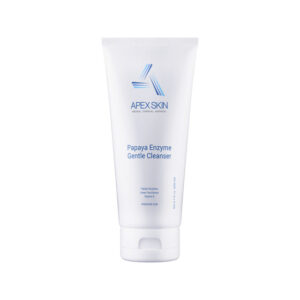
- An antiseptic or antibacterial wash or cream
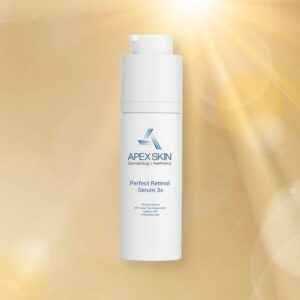
- A retinol product (helps with acne scarring and skin turnover)
- Possibly hormonal treatments, depending on the situation
Young Adults (20s–30s): Future-Proofing Your Skin
Common Skin Mistakes in Your 20s and 30s
Young adults often chase skincare trends—some amazing, some questionable.
Snail mucin had its moment, and beef tallow is currently making waves. While some trends have genuine benefits, layering multiple active ingredients without guidance can backfire.
“If you’re doing your snail mucin with your salicylic acid with your hyaluronic acid, you’re probably going to dry out your face,” McKernan warns. “And you’re not really getting down to the root cause of your skincare problems.”
Beyond Anti-Aging: What Really Matters
Many young adults approach skincare with anti-aging as their primary goal. While McKernan doesn’t discourage this motivation, she wants to shift the focus to preventing actinic damage.
What is actinic damage? This is the breakdown of skin caused by UVA and UVB rays. Each sunburn kills layers of skin tissue and the peeling you experience is dead skin. When new cells form after this damage, they’re more likely to split abnormally over time, potentially developing into skin cancer.
Protecting your skin from the sun by wearing sunscreen prevents actinic damage and therefore is the best anti-aging method. At this age and beyond, people are eager to be tan in the summer months and McKernan gives some warnings and suggestions.
“Base tans do not provide sun protection,” McKernan warned. “Base tans provide about 1% SPF. We are looking for an SPF of at least 30.”
Instead, if you are hoping to look tan she suggests self-tanners, spray tans, and tanning lotions.
Habits That Make the Biggest Long-Term Difference
Beyond sunscreen, McKernan emphasized:
- Exercise and stress management: Cortisol regulation impacts your skin significantly. High or low cortisol levels can trigger acne breakouts, which is one reason hormonal acne develops. Exercise helps regulate your body’s systems, benefiting not just your muscles and GI tract, but your skin too.
- Healthy eating: Greasy or fatty foods tend to cause reactions on the skin while clean eating supports clear skin.
Midlife (40s–50s): Navigating Hormonal Changes
How Skin Changes in Midlife
As we age into our 40s and 50s, skin laxity becomes more noticeable. This is when we may notice that jowls have started to form and marionette lines (the lines around the mouth) deepen. With hormonal shifts, we see increases and decreases in weight and experience oilier or drier skin that is inconsistent from year to year.
These rapid changes require a treatment plan that changes more frequently to address the challenges showing up. As you begin to recognize the early signs of dry or oily skin, you can adapt your routine accordingly.
An ingredient to consider adding: Vitamin C
Applied every morning, vitamin C helps prevent free radical damage, which works alongside UV protection. McKernan recommends Vitamin C as an oil, not a cream because cream formulations don’t penetrate the skin well enough to be effective.
How Often to See Your Dermatologist
At this phase in life skin changes more quickly and it becomes critical to see a dermatologist once a year for a full-body skin exam.
Later Adulthood (60+): Adapting to Your Skin’s Evolution
How Skincare Goals Shift
While sunscreen remains crucial, dryness becomes a primary concern in later adulthood.
With a more open skin barrier, people experience increased dryness and new sensitivities. Many patients report never being sensitive to ingredients when younger, but developing allergic contact dermatitis or irritant dermatitis as they age.
Products to Approach with Caution
When rashes develop, people often suspect medications or food allergies. While these can occur, allergic contact dermatitis from skincare products is more common. The culprits are usually:
- Products with chemical fragrances
- Harsh hand sanitizers
- Products without gentle, sensitive formulations
McKernan recommends switching to gentle options and avoiding heavily fragranced products.
Signs That Should Never Be Ignored
At any age, but especially as we get older, these changes warrant immediate attention:
- Bleeding spots
- Painful changes
- Growing lesions
- Anything that looks or feels abnormal
Remember the ABCDEs of mole changes: Asymmetry, Border irregularity, Color changes, large Diameter, and Evolution (any change over time). That “E” is where awareness comes in. If you feel as if something is changing, get it checked. You’re the one who notices when something evolves.
Family-Wide Takeaways
Can Families Share Skincare Routines?
Some products are universal, others need personalization:
Feel free to share:
- Sunscreens
- Moisturizers
Keep individualized:
- Acne treatments
- Rash treatments
- Anti-aging products


What Skin Issues Run in Families?
Several conditions have strong genetic components:
- Melanoma: This skin cancer is genetic and can be devastating if caught late. Those changing moles need monitoring.
- Psoriasis: While not life-ending, psoriasis is life-altering and can significantly affect quality of life. Treatment options are available for these large plaques.
Atopic dermatitis and acne: Both conditions tend to run in families. If a parent needed isotretinoin (Accutane) for acne, their child might need it too.
Managing Stress at Every Age
One factor affects skin health across all life stages: stress. It can cause rashes, trigger acne breakouts, and accelerate wrinkle formation. While managing stress is easier said than done, McKernan recommends finding outlets—whether that’s talking to someone, spending time doing something you love, or engaging in physical activity.
“We will see a lot of skin progression caused by stress,” she shared, making stress management a crucial part of any skincare routine.
Your Partner in Skin Health
From newborns to grandparents, dermatological care is for everyone. Whether you’re dealing with a specific concern or simply want to establish healthy habits, professional guidance makes all the difference.
Rachel McKernan and the team at Apex Skin are here to help your entire family achieve healthy skin at every age. Because when it comes to your skin, prevention and early intervention always beat playing catch-up.
Ready to schedule your family’s skin check? Contact Apex Skin to set up your annual exam or address any concerns you may have.

Rachel McKernan is a licensed Ohio State Physician Assistant and is certified by the National Commission on Certification of Physician Assistants. She received her Bachelor of Science in Health Sciences degree and was an inductee of the Pi Alpha Honor Society upon completion of her Master of Physician Assistant Science degree at Gannon University in Erie, Pennsylvania.