

What Dry and Oily Skin Actually Need This Season
Summer in Ohio is here and between the humidity, the sun exposure, and the constant cycle between outdoor heat and air-conditioned interiors, your skin is working overtime to keep up. If your routine isn’t adjusting with the season, you may be dealing with breakouts, unexpected dryness, or shine that no amount of product seems to fix.
Isabelle Panichi, PA-C, walks through what’s actually happening to your skin this summer and how to build a routine that works with your skin type instead of against it.
Do You Know Your Skin Type?
Before overhauling your routine, it helps to make sure you’re working from the right starting point. Misidentifying skin type is one of the most common issues Panichi sees in her aesthetics patients and it can send an entire routine in the wrong direction.
When a new patient comes in, she starts by asking them to describe how their skin actually behaves throughout the day rather than just accepting “I’m dry” or “I’m oily” at face value. That distinction matters, because those labels are often incomplete.
“Normally, what happens is when people feel dry or oily, it’s usually not that their skin is dry or oily,” she shared. ”There’s other stuff going on, whether that be a skin barrier problem or an internal hydration problem.”
One of the most common mix-ups: skin that feels persistently parched is actually oily at baseline, but the excess oil is triggering inflammation, and that inflammation registers as dryness. Loading up on thick moisturizers in response can make things worse, disrupting the skin barrier and pushing skin into a cycle where it keeps getting worse.
What Ohio’s Summer Does to Your Skin
Summer is one of the biggest seasons for skin shifts, right alongside winter. “Sun exposure and the changes in humidity levels tend to make the skin react a little bit differently, whether that be to products or just in general,” Panichi says. The AC-to-humidity cycle that’s so familiar to Ohioans is a real factor, and it shows up in her patients consistently.
The good news: once you understand what’s happening to your skin barrier, the fix is more straightforward than you might think.
Dry Skin in Summer: Bring It Back to Basics
For patients with dry or sensitive skin heading into summer, Panichi’s first suggestion is to subtract products, not add. If skin feels persistently dry despite using multiple products, the routine itself may be the problem.
“People will use a lot of different products that have the big buzzwords on them and, sometimes, they’re using too many,” she says. “When people are using too many products, usually their skin will get better by switching into a basic routine.”
Her starting point for a dry skin routine:
- Gentle cleanser used morning and night (or just at night, if skin is too sensitive for twice-daily cleansing),
- Antioxidant support, like vitamin C
- Sunscreen (30+ SPF)
“That’s going to be everyone’s basic routine, especially in the summertime,” she says.
With the changes in humidity, the antioxidant piece is key to improve the skin barrier. “[If you] can’t improve the skin barrier, the skin’s not going to become hydrated from using more hydrating products.”
For dry or sensitive skin specifically, she looks for ingredients like hyaluronic acid and peptides to support hydration and barrier function.
Oily Skin in Summer: Control Sebum, Then Repair the Barrier
For oily and acne-prone skin, the approach also starts with simplifying, but the focus shifts toward sebum control and inflammation management.
Panichi’s oily skin routine typically incorporates:
- Exfoliating ingredients like salicylic acid and glycolic acid to help get oil production under control
- Antioxidant support and renewal creams to address the barrier and suppress inflammation
“A lot of times people come in and just want to treat the acne or the oil or the shininess of their skin, but it really comes down to that inflammatory component.”
Redness, dryness, oiliness, and breakouts can all be different expressions of the same underlying inflammation and treating each symptom separately without addressing the source rarely works long-term.
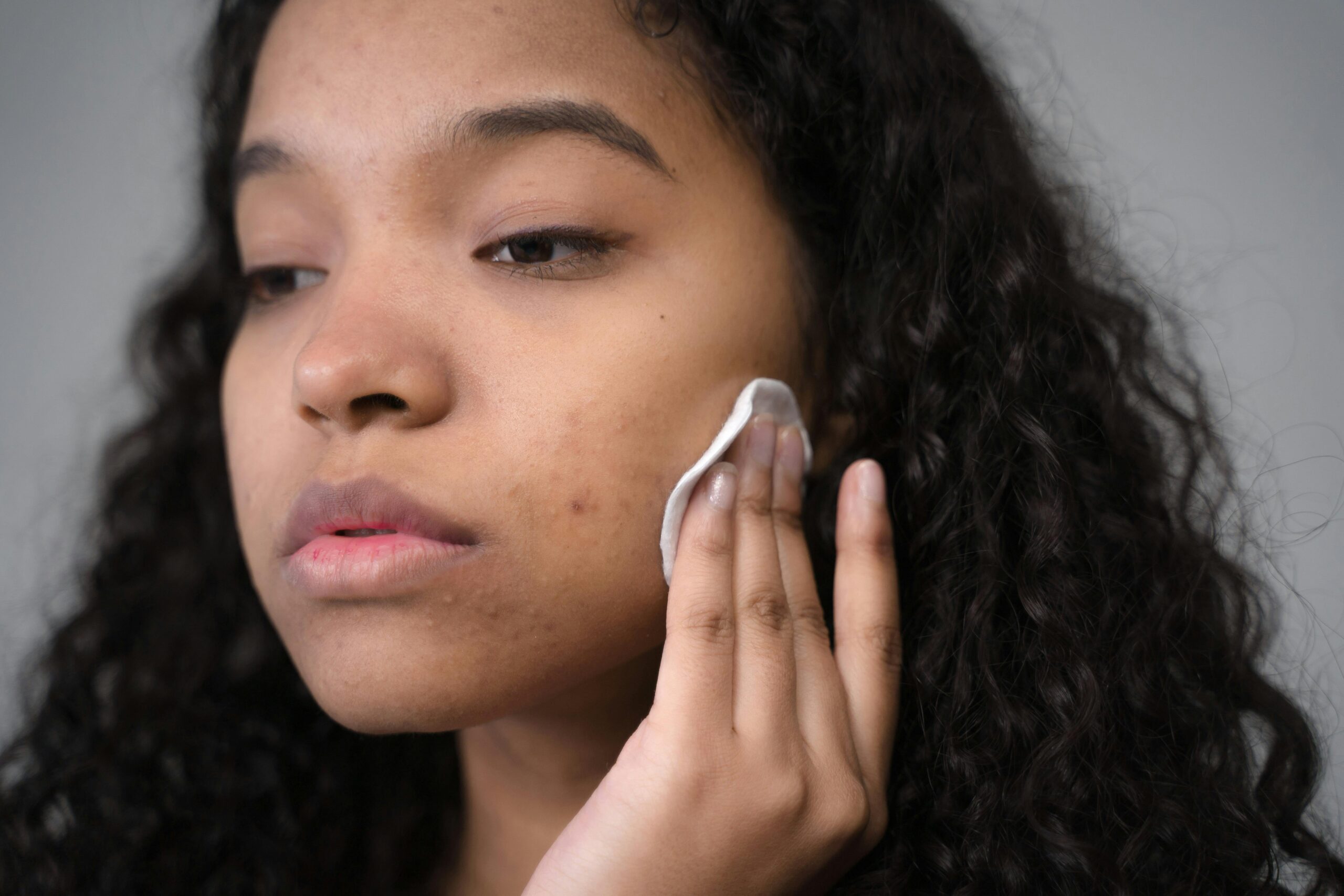
For oily or acne-prone skin, look for ingredients like: niacinamide, salicylic acid, and retinol for managing oil production. These are often found in toners, exfoliating cleansers, or toner pads.
Combination Skin: Balance Is Everything
Combination skin requires the most flexibility. The tendency is to either over-exfoliate or avoid it entirely and Panichi says neither extreme works. The goal is a balanced baseline: non-stripping cleansers, consistent but adjustable exfoliation, and a willingness to change things up based on what the skin is doing week to week.
“You have to be able to bounce your routine back and forth and listen to your skin,” she says. “Sometimes there might be a couple weeks in the summertime where you’re exfoliating every single day. There might be some times where your skin barrier is just not going to allow that.”
Sunscreen: Non-Negotiable, But It Matters What Kind
Panichi is straightforward on sunscreen: everyone needs it, every single day, especially in summer.
But the type of sunscreen matters for your skin type:
- For dry skin, a more hydrating, slightly thicker formula works well.
- For oily or acne-prone skin, lightweight and non-comedogenic is the priority.
“Make sure products don’t have comedogenic agents in them, which can clog your pores,” she says.
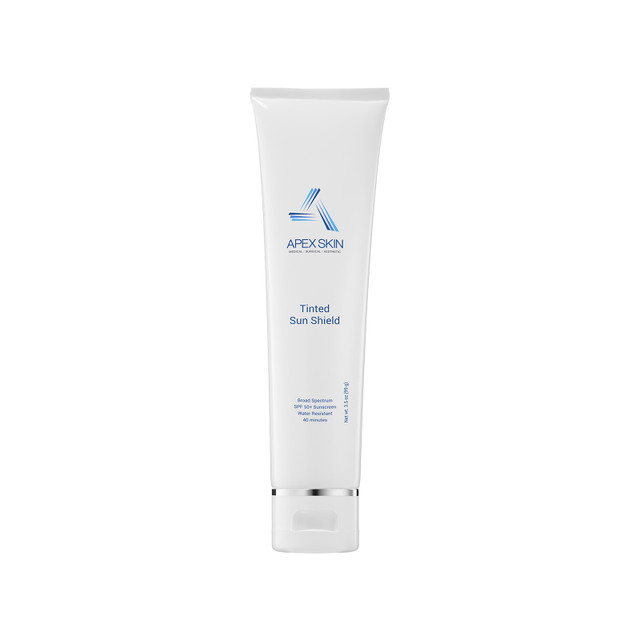
When it comes to reading labels—for sunscreen or any product—her advice is simple: look for zinc oxide or titanium dioxide as the primary active ingredients.
“If they have one or two additives in there, that’s okay. Once you start getting to a laundry list of ingredients added on to those two, there’s really no need for them.”
Many over-the-counter products contain pore-clogging agents, so checking for the non-comedogenic label is important when shopping outside of a medical-grade line.

Retinoids in Summer: Don’t Stop, Just Be Smart
A common question Panichi hears: do I need to put my retinol on hold for summer? The short answer is no, but with caveats.
While retinoids increase sensitivity to sun, patients do not have to stop using them completely in the summertime. However, it makes it even more important that patients using retinoids also use good sunscreen.
She also notes that when retinol is part of a routine, exfoliation becomes especially important.
“Once we’re increasing cell turnover with the retinol, those dead cells tend to sit on their skin. So making sure that they’re also getting something like the diamond glow facial, or they’re using some kind of exfoliation, will help as well.”
In-Office Treatments for Summer
Not all treatments are off the table in summer. Panichi’s go-to recommendation for the season is the Diamond Glow facial: “It’s a good added form of exfoliation. You can still be out and about in the sun as long as you’re wearing sunscreen with it.”
Chemical peels and laser treatments require more planning. She advises staying out of the sun for a week before and a week after, along with consistent hat and sunscreen use.
Injectables and body contouring treatments, however, are generally safe year-round.
Starting from Scratch? Here’s Where to Begin
If your current routine just isn’t working, Panichi’s advice is to stop everything and start over. “Bring it back to the basics: stop everything, start by just adding one thing back at a time.”
For anyone starting fresh, her top three foundational products for any skin type:
- A good, gentle cleanser. She points to the Apex Papaya Cleanser as a patient favorite.
- Sunscreen. Medical-grade is ideal, but consistency matters most. 30+ SPF, every day.
- Barrier support. For dry skin, that might be a moisturizer or hyaluronic acid. For oily or acne-prone skin, an antioxidant serum may fit better.
From there, it’s about listening to your skin, coming back every few months to reassess, and building slowly toward any specific goals—whether that’s targeting sun spots, addressing anti-aging, or managing texture.
“We take baby steps,” Panichi says. “Then just keep having them come back, every three months, seeing where they’re at, seeing where we need to adjust.”
Ready to build a summer routine that actually works for your skin? Book a consultation with the team at Apex Skin today.

Isabelle Panichi is a licensed Physician Assistant in the state of Ohio certified by the National Commission on Certification of Physician Assistants. Born and raised near Cleveland, Ohio, she has always hoped to provide care in her local community.