You’re an adult now. You’ve outgrown all the teen drama. So, why on earth are you still getting the same annoying acne breakouts? Or, perhaps you sailed through adolescence with clear skin, and now that you’re an adult, suddenly you’ve got acne. Why? Adult acne is especially frustrating and disruptive because, as common as it is (about 31.9% of women and 20.5% of men aged 20 to 70 have it), it’s hard to properly treat adult acne with the ubiquitous, teen-focused acne advice.

Today, we’ll talk with board-certified dermatology Physician Assistant Olivia Heysek, who works in our Avon and Solon, OH dermatology locations, about what causes adult acne, why adult acne is different from teen acne, and how to get adult acne treatment that actually works.
Why Adult Acne Happens (Spoiler: It’s Not Your Fault)
“Many adults are genuinely surprised or embarrassed, especially if they didn’t have much acne as teenagers,” says Heysek. Adult acne is a complex skin condition that can have a number of different causes that may feel out of your control.
“Acne in adults is often influenced by lifestyle, environment, and biology,” she says. “The most common reasons include hormonal fluctuations, chronic stress, cosmetics, medications, underlying conditions, genetics, and environmental factors.” So, just applying an over-the-counter acne medication designed for teenagers to such a complicated condition as adult acne often leads to disappointing results. It’s important to understand the causes first, and then work with your dermatologist to get a targeted professional and/or prescription acne medication for adults that addresses your causes more directly.
The biggest factors for acne in adults include:
1. Hormonal Shifts
Studies have found a strong correlation between hormonal shifts and adult acne lesion development, particularly in women, who have a higher incidence of acne in adulthood than men. Women often notice a spike in breakouts during certain phases of their menstrual cycle. Furthermore, women with polycystic ovarian syndrome (PCOS) also have a higher incidence of difficult breakouts and other skin problems, again because of hormonal fluctuations. Even women going through perimenopause and menopause can experience acne all over again as they go through middle age. So, although acne is famously a teenage issue, it can really happen almost anytime in life.
2. Chronic Stress and Cortisol Spikes
Chronic stress can trigger another hormonal imbalance that aggravates adult acne breakouts: cortisol. Cortisol hormone levels rise when we experience stressful situations. And in today’s world, stressful situations can continue for days, weeks, or even longer, leading to excessive amounts of cortisol in the body. Cortisol causes excess sebaceous gland activity in the skin, which increases the amount of oil clogging the pores. Stress can also lead to lifestyle struggles like poor diet and lack of sleep, both of which can aggravate stress and inflammation.
Heysek confirms that she sees what the studies show: “I definitely have seen a correlation between high stress and acne flares in my patients,” she says. “Stress may not directly cause acne, but it can worsen existing breakouts, disrupt hormonal balances, and impair skin healing. Reducing stress can improve the efficacy of acne treatment and reduce flaring.”
3. Skincare Products
The type of skincare products you use can either cause or relieve acne problems. For example, while it is absolutely critical to wear moisturizer, even on oily, acne-prone skin, some moisturizers have ingredients that can clog pores and worsen breakouts. Look for moisturizers that are labeled “noncomedogenic”, which means the ingredients don’t clog your pores.
Heysek also says that product buildup from summer sunscreen application can become problematic, even though it is absolutely essential to wear a daily SPF for sun protection. Since it’s important to reapply sunscreen every two hours when spending time out in the sun, the product can build up and clog pores over time. Your dermatologist can help you find a sunscreen that is less likely to cause these problems and recommend a daily cleansing regimen that removes sunscreen buildup.
4. Lifestyle Factors
Lifestyle factors are ones that people can exert some control over but are not always the only thing that needs to change to alleviate an adult acne issue. “Some of the most common misconceptions and mistakes I see include over-exfoliation, switching products too often, using products that are too harsh, spot treating instead of preventative treatment, ignoring underlying causes, not moisturizing, and picking at the skin,” says Heysek. These practices can be problematic for the following reasons:
- Treating the skin harshly: Hard scrubbing and harsh exfoliants can make acne worse rather than better. Acne-prone skin needs thorough, yet gentle cleansing to remove dirt, excess oil, and product buildup. Over-scrubbing can stress the skin, damage the skin’s protective barrier, spread more acne bacteria, and trigger the skin to produce even more oil. Picking at the skin can also spread bacteria and cause deeper acne scars.
- Skipping moisturizer: Skipping moisturizer can make the skin more vulnerable while also triggering it to overproduce oil. Using the right moisturizer for adult acne, however, can help calm and reduce irritation and inflammation in the skin, helping slow down overproduction in the sebaceous (oil) glands. It also bolsters the skin’s natural protective barrier against environmental irritants.
- Diet: The latest scientific evidence indicates that diets high in dairy and sugar can aggravate acne in adults. These elements can increase inflammation and disrupt hormonal balances. Eating for healthy skin can improve nutrient levels, bolster skin health, and reduce toxins and inflammation that can damage it.
- Sleep: There is also some evidence that poor sleep quality can worsen adult acne. Improving sleep quality can help your skin and your overall health.
Although a stressful adult schedule can make it hard to have total control over every one of these lifestyle factors, it makes sense to try improvements in these areas for overall good health, which can then improve your skin’s health.
5. Environmental and Genetic Triggers
These two factors are what they are and are often out of our control. However, understanding their impact on each patient can help us find the best acne treatment for adults whose acne stems from these two factors.
For example, every year, environmental factors, like the changing seasons, can trigger acne breakouts and other skin problems. As summer wanes and fall begins, the air gets drier. This can disrupt the skin’s protective barrier, leading the skin to overproduce oil. Making seasonal adjustments to your skincare routine can help here.
On the other hand, genetic factors are a little trickier. Recent studies in adult female twins have shown that there is a very strong correlation between adult acne and genetic factors. Understanding your family history concerning adult acne and other skin problems can help us determine the most successful path forward in acne medication and other adult acne treatment avenues to clear up your skin.
How Adult Acne Is Different from Teen Acne
Adult acne also exhibits different characteristics from teenage acne, including:
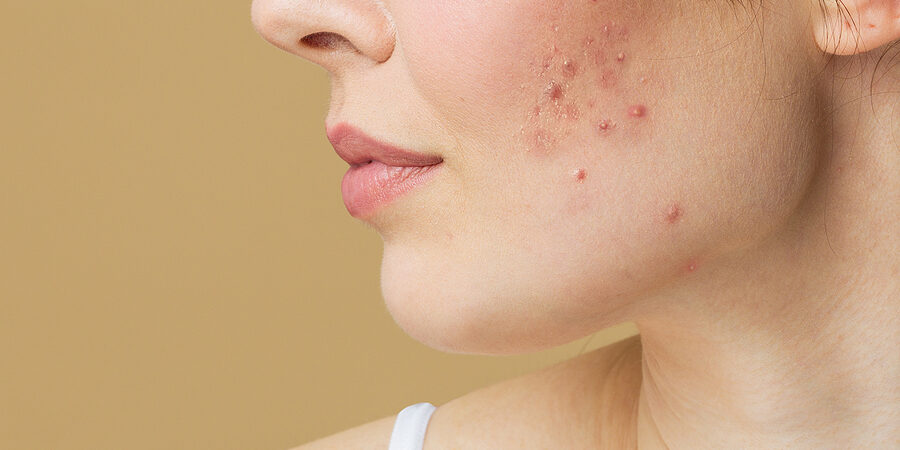
- Acne in adults is more often located around the chin, jawline, and lower areas of the face, rather than the classic teenage acne that centers around the forehead, nose, and chin.
- In adults, the skin is already somewhat drier and slower to heal, which makes acne breakouts seem longer and more scarring.
- Adult acne is more common in women than in men.
- Adult acne is also more likely related to genetics, hormones, internal health, and lifestyle factors—not hygiene.
- Body acne is more likely to persist into adulthood, often appearing on the chest, back, and shoulders. These breakouts can be more stubborn due to thicker skin and increased friction in those areas.
When treating any form of acne, it’s important to consider every possible angle. As Heysek explains: “I approach both adolescent and adult acne with a comprehensive assessment to determine the best treatment plan. Adult acne generally requires consideration of a wider differential diagnosis, so collecting an accurate history from the patient is crucial.”
The Emotional Toll of Adult Acne
Scientists have established a clinically significant connection between adult acne and mental health struggles like depression and anxiety. For adults struggling with acne, there is a nagging feeling that “I should be past this by now!” And even though adult acne is a common, very complex skin condition that rarely has to do with hygiene, the emotional stress surrounding the stigma of acne in social settings can feel crippling and isolating. The social stigma affects everything from dating to professional settings. Those feelings are real and valid, but the good news is that you are not alone, and we can help you with adult acne treatment that works, whether it’s acne scar removal or prescription acne medication for adults that will finally work to clear away the breakouts.
Step One for Adult Acne Treatment: Stop Doing What Doesn’t Work
First and foremost: “If consistent use of over-the-counter products hasn’t led to noticeable improvement, it’s time for a professional evaluation,” urges Heysek. Also, stop doing any of these things, if possible:
- Using harsh scrubs, alcohol-based toners, over-washing, and over-drying your skin.
- Using DIY acne remedies, like toothpaste or baking soda.
- Using an overload of skincare products or poor layering techniques that continue to clog your pores.
- Ignoring your internal and mental health: hormonal imbalances, stress, nutrition, sleep, hydration, etc., all matter and can impact your skin health. You matter, and you deserve to take good care of yourself!
Do What Works: Next Steps for the Best Acne Treatment for Adults
If you’ve tried every over-the-counter drugstore treatment you can find but continue to have breakouts—especially painful or cystic breakouts that lead to scarring, dark marks, or skin texture changes, frustration, anxiety, and depression—don’t wait any longer. Get professional help and healing. Schedule an appointment to discuss your adult acne situation with your dermatologist. Autumn is a smart time to have a skin health expert help you reset your skincare routine and help you find the best adult acne treatment for your life.

“If patients have not responded well to over-the-counter products, there are many efficacious prescription-strength acne medication options I would try next,” says Heysek. “Examples of effective options include retinoids, topical antibiotics, azelaic acid, oral medications, and in-office procedures.”
Professional and Prescription Acne Medication for Adults: Some Options and How They Help
Heysek explains how these adult acne treatment options work to clear and improve skin health for adults with acne:
- Topical retinoids unclog pores and support cell turnover to lessen the impact of acne scarring.
- Benzoyl peroxide can help those with certain skin types to battle inflammatory acne.
- Oral and topical antibiotics can provide a boost of short-term inflammation control.
“Oral medications are appropriate for adult acne when topical treatments prove ineffective, acne is moderate to severe, hormonal patterns are suspected, scarring is developing, or underlying conditions are contributing,” explains Heysek. “Determining the right oral option requires evaluation of the type and pattern of acne, duration, and prior treatments attempted, and medical history.”
- Prescription acne medication for adults may also include things like spironolactone or hormonal therapies that can bring hormonal issues into balance.
- Salicylic acid chemical peels deeply exfoliate clogged pores and reduce the visibility of post-acne scars.
- Medical-grade skincare products are scientifically formulated to prevent clogging pores while nourishing and protecting even sensitive skin with more gentle, easily tolerated ingredients.
For most adults with acne, a dermatologist-guided combination of acne therapies provides the best results, along with better self-care and lifestyle adaptations that reduce stress and inflammation. Avoid risky guesswork at the drugstore with products that might not help or even make things worse—instead, work with your dermatologist, who can help you access adult acne treatment and therapies that provide faster, better results.
“I would highly recommend a consultation with our Apex Aesthetics team for an expertly tailored plan for in-office treatments,” says Heysek. “Certain acne patterns and skin types respond especially well to in-office treatments like chemical peels (great for oily or comedonal acne) and light therapies (effective for inflammatory acne and post-acne marks), with options available for every skin type.”
Say Goodbye to Adult Acne: You Deserve Clearer Skin
You are not alone—so many adults are struggling with stubborn acne right now. Fortunately, real, effective, skin-clearing, skin-healing solutions are here for you at Apex Skin.
Board-certified dermatology Physician Assistant Olivia Heysek, who sees patients in our Avon and Solon, Ohio offices, often works with adults facing acne and knows how frustrating it can be. She—and the rest of our experienced Apex Skin providers across Northeast Ohio—are here to help you find the right treatment plan for your skin.
Don’t wait—schedule your consultation today and take the first step toward confidence and clear skin!
Olivia Heysek is a board-certified Physician Assistant licensed in Ohio. A native of Bainbridge, Ohio, she graduated from Kenston High School before earning both her Bachelor of Science and Master of Physician Assistant Science degrees from Gannon University in Erie, Pennsylvania.