

Expert Psoriasis Care at Apex Skin
Psoriasis is more than a skin condition. It is a chronic autoimmune disease that causes inflammation and rapid skin cell growth, leading to red, scaly patches that can appear anywhere on the body. While there is currently no cure for psoriasis, today's treatment options are more effective than ever and can help many patients achieve significant improvement in their symptoms and quality of life.
At Apex Skin, our dermatology specialists provide comprehensive psoriasis care, from diagnosis and treatment to long-term disease management. Patients throughout Northeast Ohio trust our team for personalized psoriasis treatment, advanced therapies, and ongoing support.
Schedule an AppointmentWhy Patients Choose Apex Skin
What Is Psoriasis?
Psoriasis is a chronic autoimmune condition that causes the immune system to trigger skin cells to grow too quickly. Instead of following the normal skin cell lifecycle, new cells build up on the surface of the skin, creating inflamed, thickened patches known as plaques.
Psoriasis affects more than 8 million Americans and can develop at almost any age. Although it most commonly affects the skin, it can also impact the nails and joints and has been linked to other inflammatory health conditions. Psoriasis is not contagious and is not caused by poor hygiene.

Signs and Symptoms of Psoriasis
Psoriasis symptoms can vary depending on the type and severity of the condition. Common signs and symptoms include:
Many patients mistake psoriasis for eczema, fungal infections, dandruff, or dry skin. This is especially common with scalp psoriasis, which is frequently mistaken for severe dandruff. An accurate diagnosis is the first step toward finding relief.
Want to learn more about the different forms of psoriasis and common triggers?
Read our article: Psoriasis Symptoms: What to Look For and What to Do.
Not Sure If It's Psoriasis?
Many skin conditions look similar. The dermatology specialists at Apex Skin can provide an accurate diagnosis and personalized treatment plan.
Schedule an AppointmentTypes of Psoriasis
Psoriasis can appear in several different forms. Understanding the type of psoriasis you have can help guide diagnosis and treatment decisions.

Plaque Psoriasis
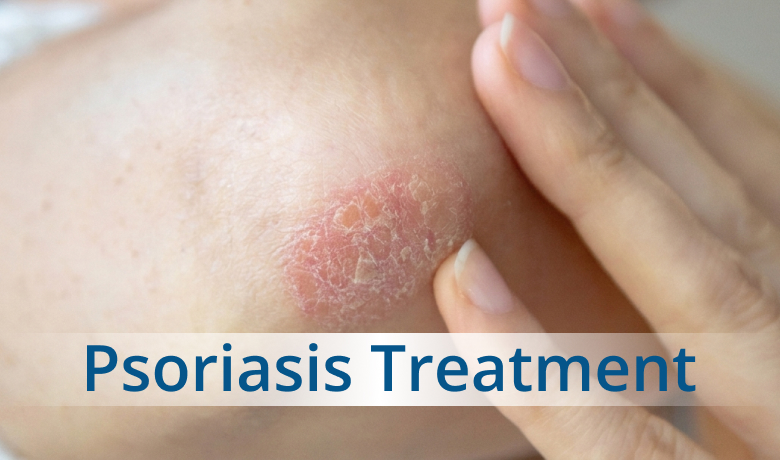
Plaque psoriasis is the most common form of psoriasis. It causes raised, inflamed patches covered with silvery-white scales and most often appears on the elbows, knees, scalp, and lower back.
Guttate Psoriasis
Guttate psoriasis appears as small, scattered spots on the skin and is often triggered by illnesses such as strep throat or other infections.
Pustular Psoriasis
This less common form of psoriasis causes pus-filled bumps surrounded by red, inflamed skin and may affect localized areas or larger portions of the body.
Inverse Psoriasis
Inverse psoriasis develops in skin folds, including the armpits, groin, under the breasts, and other areas where skin rubs together.
Nail Psoriasis
Nail psoriasis can cause pitting, discoloration, thickening, or separation of the nail from the nail bed.
Erythrodermic Psoriasis
A rare but serious form of psoriasis that causes widespread redness and inflammation and may require immediate medical attention.
Psoriatic Arthritis
Up to 30% of people with psoriasis may develop psoriatic arthritis, a related inflammatory condition that causes joint pain, swelling, and stiffness. Early diagnosis and treatment are important to help prevent permanent joint damage.
Not sure which type of psoriasis you have?
An Apex Skin provider can help determine the cause of your symptoms and recommend the most appropriate treatment plan.
Schedule an AppointmentHow Is Psoriasis Diagnosed?
Psoriasis can often be diagnosed through a thorough skin examination performed by an experienced dermatology provider. During your appointment, your provider will evaluate your symptoms, discuss your medical history, and assess the appearance and distribution of affected areas. There is no blood test for psoriasis, which is why an evaluation by an experienced dermatology provider is so important.
Because psoriasis can sometimes resemble other skin conditions such as eczema, dermatitis, or fungal infections, additional testing may occasionally be recommended. In some cases, a skin biopsy can help confirm the diagnosis and guide treatment decisions.
🔬 In-House Dermatopathology Lab
Apex Skin also offers access to an in-house CAP-accredited dermatopathology laboratory, helping ensure patients receive an accurate diagnosis and personalized treatment plan.
Psoriasis Treatment Options
There is no one-size-fits-all approach to psoriasis treatment. Your provider will consider the type of psoriasis, severity of symptoms, affected areas, lifestyle factors, and overall health when developing your treatment plan.
Topical Treatments
Topical medications are often the first step in treating mild to moderate psoriasis. These may include prescription corticosteroids, vitamin D analogs, and newer non-steroid treatment options designed to reduce inflammation and slow excess skin cell growth.
Oral Medications
For patients with more extensive symptoms, oral medications may help control inflammation throughout the body and reduce flare-ups.
Biologic Therapies
Biologics are advanced medications that target specific parts of the immune system involved in psoriasis. These treatments have transformed psoriasis care and can provide significant skin clearance for many patients with moderate to severe disease.
Light Therapy
Controlled exposure to ultraviolet light under medical supervision may help reduce inflammation and improve symptoms for certain forms of psoriasis.
Ongoing Management
Because psoriasis is a chronic condition, regular follow-up care is important. Treatment plans may be adjusted over time to help maintain symptom control and improve long-term outcomes.
Interested in learning more about treatment options and lifestyle strategies that may help manage psoriasis?
Read our article: Taking Control of Psoriasis: Comprehensive Care for a Complex Condition.
Ready to Explore Your Treatment Options?
From new diagnoses to longstanding psoriasis, Apex Skin offers personalized treatment plans designed around your symptoms, goals, and lifestyle.
Schedule an AppointmentClinical Research Opportunities for Psoriasis
Apex Skin works closely with Apex Clinical Research Center to provide eligible patients access to ongoing psoriasis studies evaluating potential new treatment options. Participation in clinical research also helps advance the future of psoriasis care while providing study-related care under the supervision of an experienced research team.
Clinical research may be an option for patients who:
- ✓Have moderate to severe psoriasis
- ✓Have not responded well to current treatments
- ✓Are interested in exploring additional treatment options

Frequently Asked Questions
No. Psoriasis cannot be spread through physical contact and is not caused by an infection.
Psoriasis is believed to result from a combination of genetic, immune system, and environmental factors. While the exact cause is not fully understood, family history and certain triggers can increase the likelihood of developing psoriasis.
There is currently no cure for psoriasis. However, modern treatment options can effectively manage symptoms and help many patients achieve long periods of disease control.
Yes. Psoriatic arthritis affects up to 30% of people with psoriasis and can cause joint pain, swelling, and stiffness. Early diagnosis and treatment are important to help prevent joint damage.
Common triggers include stress, illness, infections, skin injuries, smoking, alcohol consumption, certain medications, and cold, dry weather.
If you have persistent red, scaly patches, recurring flare-ups, nail changes, or joint pain and stiffness, it is a good idea to schedule an evaluation with a dermatologist. Early diagnosis and treatment can help improve symptoms, reduce flare-ups, and lower the risk of complications such as psoriatic arthritis.
Yes. Apex Clinical Research Center periodically conducts psoriasis studies evaluating new treatment options. Eligibility requirements vary by study.
Find Relief From Psoriasis
You don't have to manage psoriasis alone. The dermatology specialists at Apex Skin help patients throughout Northeast Ohio find answers, reduce symptoms, and create treatment plans tailored to their needs.
Schedule an Appointment Learn About Clinical Research Opportunities
