

Expert Eczema Care at Apex Skin
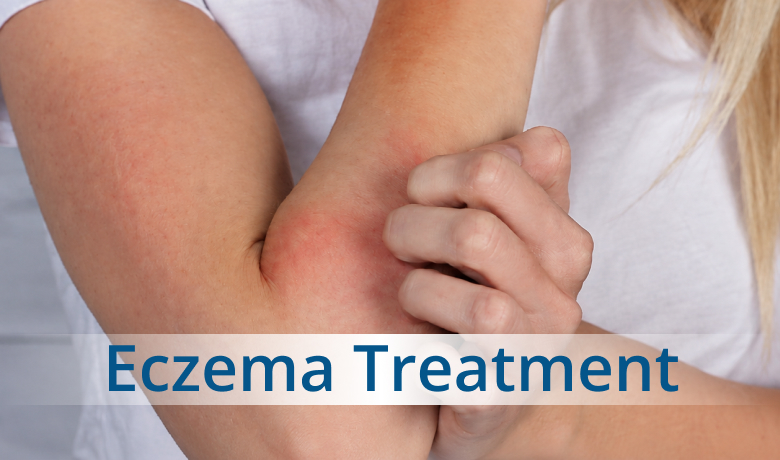
Eczema is a common skin condition that can cause dry, itchy, inflamed skin and recurring flare-ups. While symptoms can range from mild irritation to severe itching and discomfort, the right treatment can help reduce symptoms, manage flare-ups, and improve the health of your skin.
At Apex Skin, our dermatology specialists provide comprehensive eczema care for children and adults, from accurate diagnosis to personalized treatment and long-term management. Patients throughout Northeast Ohio trust our team to help identify what may be contributing to their symptoms and find an eczema treatment plan that works for their skin.
Schedule an AppointmentWhy Patients Choose Apex Skin
What Is Eczema?
Eczema is a group of inflammatory skin conditions that cause dry, itchy, irritated skin and recurring rashes. More than 31 million Americans have some form of eczema, making it one of the most common skin conditions in the United States.
Atopic dermatitis is the most common form of eczema and often begins during infancy or childhood, although eczema can develop at any age.
Eczema can look and feel different from person to person. Some people experience occasional patches of dry, irritated skin, while others have widespread or persistent symptoms that interfere with sleep, daily activities, and quality of life.
Eczema is not contagious. Although there is no cure for many forms of chronic eczema, treatments can help control symptoms, reduce flare-ups, and protect the skin.

Symptoms of Eczema
Itching is one of the most common and recognizable symptoms of eczema. Scratching can further damage the skin and contribute to an ongoing itch-scratch cycle that makes eczema more difficult to control.
Other common eczema symptoms may include:
Eczema can appear almost anywhere on the body, and its appearance and location can vary based on age, skin tone, and the type of eczema.
What Causes Eczema?
There isn't one single cause of eczema. Atopic dermatitis is believed to develop through a combination of genetics, immune system activity, and problems with the skin barrier that make it more difficult for the skin to retain moisture and protect itself from irritants. Although triggers do not necessarily cause eczema, they can make symptoms worse or contribute to flare-ups.
Common eczema triggers may include:
Triggers vary from person to person. Identifying your individual triggers can be an important part of managing eczema and reducing future flare-ups.
Not Sure If It's Eczema?
Eczema can resemble psoriasis, fungal infections, allergic reactions, and other skin conditions. An Apex Skin dermatology provider can evaluate your skin, determine what may be causing your symptoms, and recommend the right treatment.
Types of Eczema
Eczema isn't one single condition. There are several types of eczema, and some people can experience more than one type at the same time.
Atopic Dermatitis
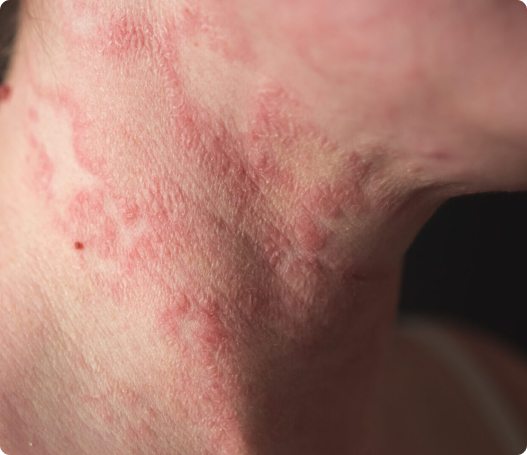
Atopic dermatitis is the most common form of eczema. It causes dry, inflamed, intensely itchy skin and often follows a pattern of flare-ups followed by periods of improvement. Although it commonly begins during childhood, atopic dermatitis can continue into adulthood or develop later in life.
Contact Dermatitis
Contact dermatitis occurs when the skin reacts after coming into contact with an irritating substance or an allergen. Common triggers can include personal care products, fragrances, metals, plants, chemicals, and other substances that touch the skin.
Dyshidrotic Eczema
Dyshidrotic eczema causes small, intensely itchy blisters, most commonly found on the hands, fingers, or feet. The skin may also become dry, cracked, or painful.
Nummular Eczema
Nummular eczema causes round or coin-shaped patches of irritated, itchy skin. These patches commonly develop on the arms, legs, or torso and may be mistaken for other skin conditions.
Neurodermatitis
Neurodermatitis develops when repeated itching and scratching cause an area of skin to become increasingly irritated, thickened, and itchy. Breaking the itch-scratch cycle is an important part of treatment.
Seborrheic Dermatitis
Seborrheic dermatitis commonly affects oily areas of the body, particularly the scalp and face. It can cause flaky or scaly patches and is associated with dandruff in adults and cradle cap in infants.
Stasis Dermatitis
Stasis dermatitis typically develops on the lower legs and is associated with poor circulation. Symptoms may include swelling, itching, scaling, and skin discoloration. Because it is related to underlying circulation problems, proper diagnosis and treatment are especially important.
Not sure what type of eczema you have?
An Apex Skin provider can evaluate your symptoms and recommend an appropriate treatment plan. Schedule an appointment today!
Schedule an AppointmentHow Is Eczema Diagnosed?
Eczema is typically diagnosed by a dermatology provider through a skin examination and review of your symptoms and medical history. There is no single test used to diagnose most cases of eczema.
Your provider may also ask about products, substances, environments, or other factors that seem to make your symptoms better or worse. When contact dermatitis is suspected, additional testing such as patch testing may be recommended to help identify potential allergens. In some cases, a skin biopsy or other testing may be used to rule out another skin condition.
Because many rashes can look similar, seeing a dermatology provider for persistent eczema symptoms can help ensure you’re treating the right condition.
🔬 In-House Dermatopathology Lab
Apex Skin also offers access to an in-house CAP-accredited dermatopathology laboratory, helping ensure patients receive an accurate diagnosis and personalized treatment plan.
Eczema Treatment Options
Eczema treatment depends on the type and severity of the condition, your age, the areas of the body affected, and how your skin has responded to previous treatments. Your Apex Skin provider will develop a treatment plan based on your individual symptoms and needs.
Skin Care and Moisturizing
Protecting the skin barrier is an important part of managing eczema. Your provider may recommend changes to bathing habits, moisturizers, cleansers, and other everyday skin care practices to help reduce dryness and irritation.
Topical Corticosteroids
Prescription topical corticosteroids can help reduce inflammation, redness, and itching during eczema flare-ups. Your provider will determine the appropriate medication, strength, and length of treatment based on the affected area and severity of your symptoms.
Non-Steroid Topical Treatments
Several prescription non-steroid topical medications are available for eczema. These treatments can help control inflammation and may be recommended for certain areas of the body, for longer-term management, or when topical steroids aren’t the best option.
Biologic Therapies
For some patients with moderate to severe atopic dermatitis, biologic medications can target specific parts of the immune response involved in eczema. These advanced therapies have expanded treatment options for patients whose symptoms are not adequately controlled with topical treatments alone.
Oral and Systemic Medications
Certain patients with moderate to severe eczema may benefit from medications that work throughout the body to control inflammation. Your dermatology provider can determine whether systemic treatment is appropriate based on your symptoms, health history, and previous treatments.
Phototherapy
Controlled exposure to specific wavelengths of ultraviolet light under medical supervision may be recommended for certain patients with widespread or persistent eczema.
Ongoing Eczema Management
Because eczema can be a chronic condition, successful treatment often involves more than treating individual flare-ups. Regular follow-up care can help identify triggers, protect the skin barrier, adjust medications when needed, and develop a long-term plan for keeping symptoms under control.
Ready to Find an Eczema Treatment That Works for You?
From occasional flare-ups to persistent eczema that hasn’t responded to previous treatments, Apex Skin provides personalized care based on your symptoms, skin, and treatment needs.
Schedule an AppointmentEczema in Babies and Children: When to See a Dermatologist
Eczema occurs in an estimated 10 to 20 percent of children and often first appears during infancy or early childhood. Symptoms and affected areas can change as a child grows, and persistent itching can interfere with sleep, school, activities, and everyday comfort.
A dermatology provider can help confirm that your child’s rash is eczema, identify potential triggers, recommend age-appropriate skin care, and determine whether prescription treatment is needed.
Consider scheduling a dermatology appointment if your child’s eczema:
- ✓Is persistent or frequently returns
- ✓Causes significant itching or discomfort
- ✓Interferes with sleep
- ✓Covers a large area of the body
- ✓Isn’t improving with at-home skin care
- ✓Shows possible signs of infection
- ✓Is making it difficult for your child to participate comfortably in everyday activities
Managing eczema early can help control symptoms, protect your child’s skin, and give families a clearer plan for handling future flare-ups.
Schedule a Pediatric Dermatology Appointment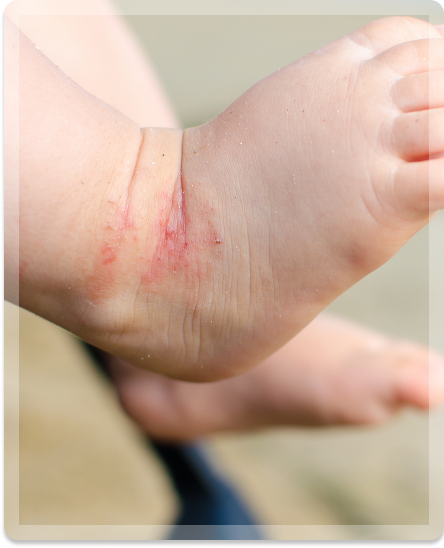
Clinical Research Opportunities for Eczema
Apex Skin works closely with Apex Clinical Research Center to provide eligible patients access to ongoing studies evaluating potential new treatment options for eczema and atopic dermatitis. Participation in clinical research also helps advance the future of eczema care while providing study-related care under the supervision of an experienced research team.
Clinical research may be an option for patients who:
- ✓Have moderate to severe eczema or atopic dermatitis
- ✓Have not responded well to current treatments
- ✓Are interested in exploring additional treatment options

Frequently Asked Questions
No. Eczema is not contagious and cannot be spread from person to person through touching or close contact.
Eczema is an umbrella term that includes several inflammatory skin conditions. Atopic dermatitis is the most common type of eczema, which is why the terms are sometimes used interchangeably.
Eczema and psoriasis can both cause inflamed, irritated, scaly skin, but they are different conditions with different underlying causes and treatments. Because they can sometimes look similar, a dermatology provider can help determine which condition is causing your symptoms.
It can. Cold temperatures, low humidity, indoor heating, and hot showers can all contribute to dry skin and may make eczema symptoms worse during the winter months.
Yes. Although atopic dermatitis often begins during childhood, eczema can develop or continue into adulthood. Adults can also develop other forms of eczema, including contact dermatitis, nummular eczema, and stasis dermatitis.
Consider seeing a dermatologist if you have a persistent or recurring rash, severe itching, symptoms that interfere with sleep or everyday activities, signs of infection, or eczema that isn't improving with your current skin care or treatment. A dermatology provider can confirm the diagnosis and help determine the most appropriate treatment.
Find Relief from Eczema
You don’t have to keep guessing what’s causing your rash or trying to manage recurring eczema on your own. The dermatology specialists at Apex Skin help children and adults throughout Northeast Ohio find relief from eczema symptoms, manage flare-ups, and explore treatment options that fit their needs.
Schedule an Appointment Learn About Clinical Research Opportunities
